
Bird Motifs
The History and Significance of Bird Motifs in Vintage Rugs
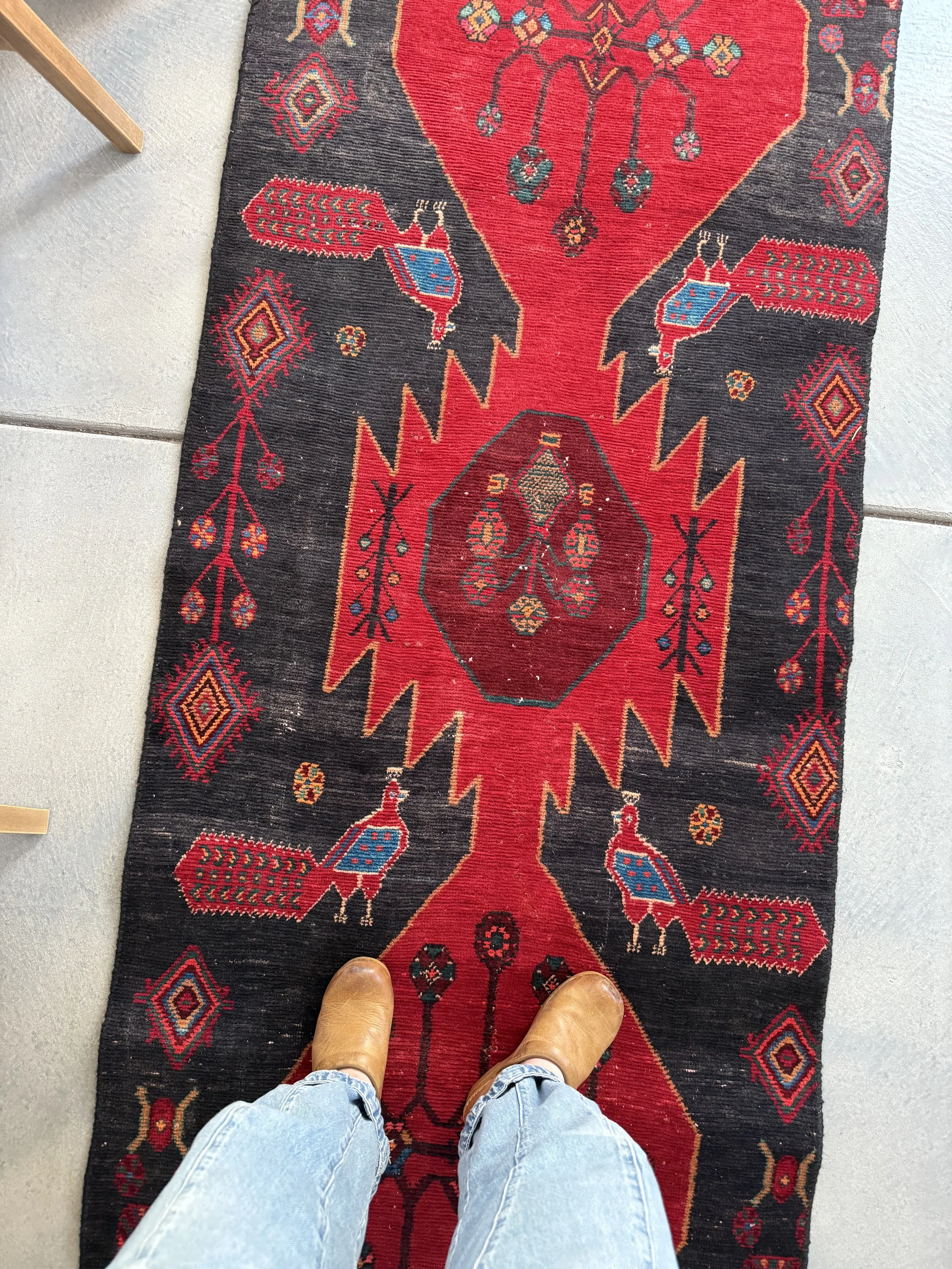
Bird motifs have long held a special place in the art of rug weaving, symbolizing freedom, beauty, and spiritual transcendence. Found across Persian, Turkish, Caucasian, and Central Asian rugs, these designs reflect both the natural world and the cultural beliefs of the regions where they were created.
Historical Origins
The use of bird imagery in rugs dates back centuries, with early examples appearing in nomadic and tribal weavings. Birds were often depicted in stylized or geometric forms, influenced by the artistic traditions of each region. In Persian rugs, delicate birds might perch among floral patterns, while in Anatolian or Caucasian designs, they appear as bold, abstract shapes woven into symmetrical compositions.
Symbolism and Meaning
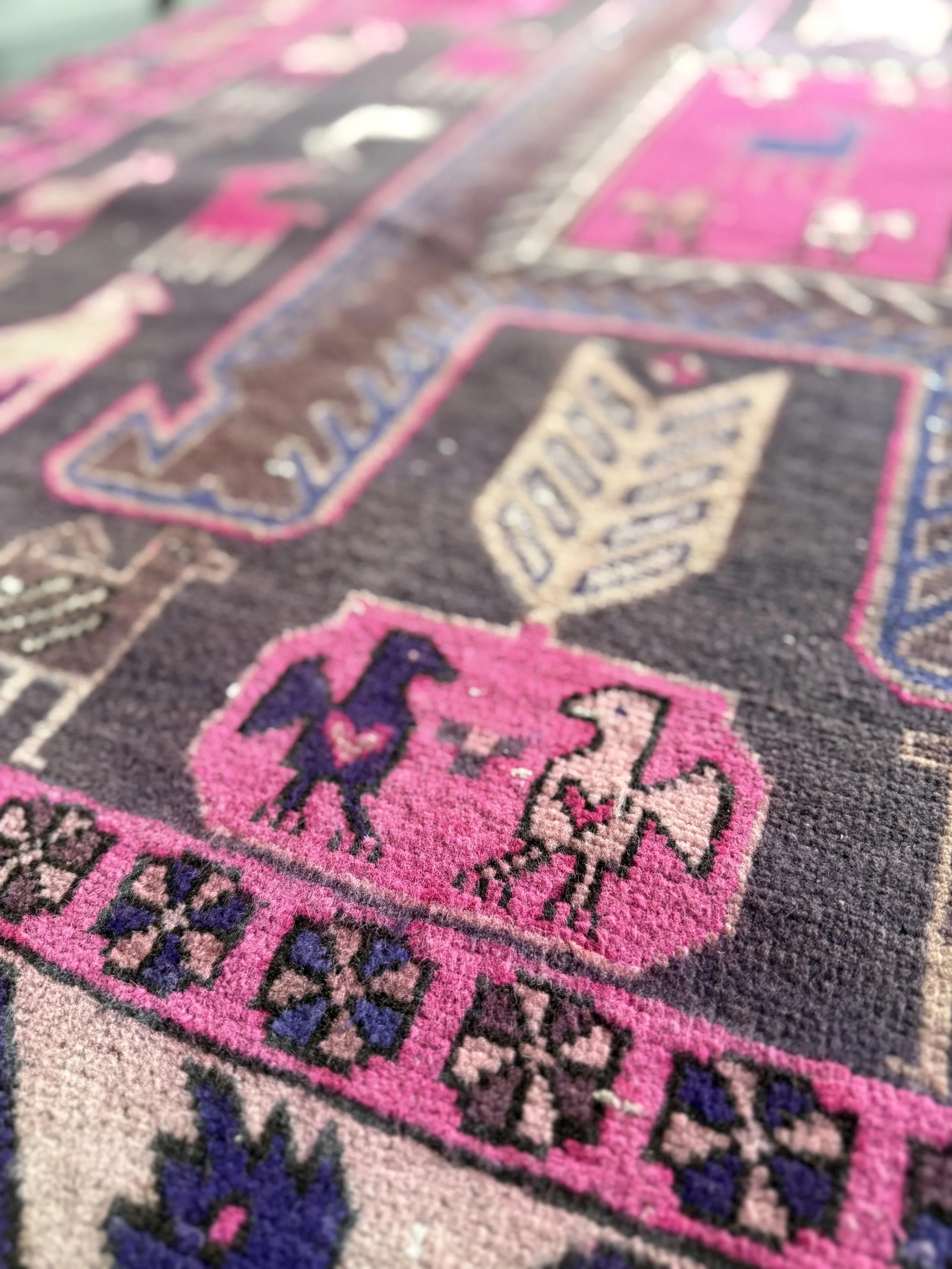
Birds in vintage rugs carry rich symbolic meanings. They often represent the soul’s journey, peace, and divine connection. In Persian culture, the nightingale symbolizes love and longing, while the peacock stands for immortality and beauty. In tribal weavings, pairs of birds can signify harmony and partnership, reflecting the weaver’s hopes for family and community.
Artistic and Cultural Significance
Beyond symbolism, bird motifs showcase the creativity and storytelling of the weavers. Each design captures a blend of personal expression and cultural heritage, passed down through generations. The inclusion of birds also connects the art of rug making to nature, celebrating the harmony between human life and the environment.
Enduring Appeal
Today, vintage rugs featuring bird motifs remain highly prized by collectors and interior designers. Their intricate patterns and layered meanings bring depth and character to any space, serving as both decorative art and a window into the cultural history of the regions that produced them.