
Anatolian Rugs
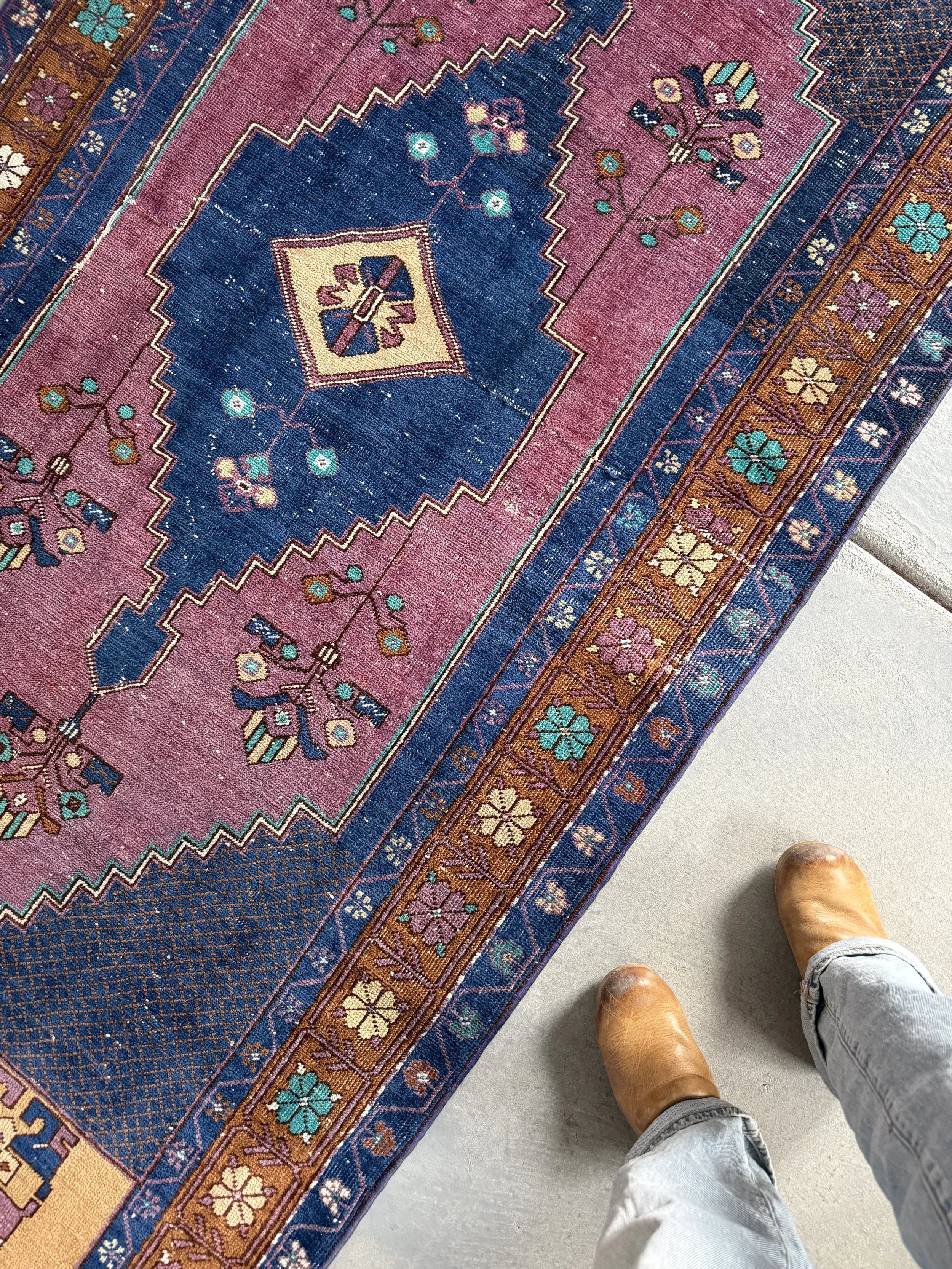
Vintage Anatolian rugs stand as remarkable expressions of Turkey’s rich cultural heritage and centuries-old weaving traditions. Originating from the Anatolian region—an area that bridges Asia and Europe—these rugs embody a fusion of influences shaped by diverse civilizations, from the Seljuks and Ottomans to local tribal communities.
Origin and History
The art of rug weaving in Anatolia dates back to the 13th century, flourishing under the Seljuk Empire. Over time, distinct regional styles emerged, each reflecting the geography, materials, and cultural identity of its makers. Towns such as Konya, Kayseri, and Hereke became renowned centers of production, while nomadic tribes contributed bold, geometric designs that contrasted with the refined floral patterns of urban workshops.
Cultural Significance
Anatolian rugs hold deep symbolic meaning within Turkish culture. Traditionally woven by women, each rug served as a personal expression of creativity and emotion. The motifs—ranging from stars and diamonds to stylized flowers and animals—often carried messages of protection, fertility, and prosperity. These rugs were not only functional household items but also heirlooms, dowry pieces, and symbols of social status, connecting generations through shared artistry.
Craftsmanship and Materials
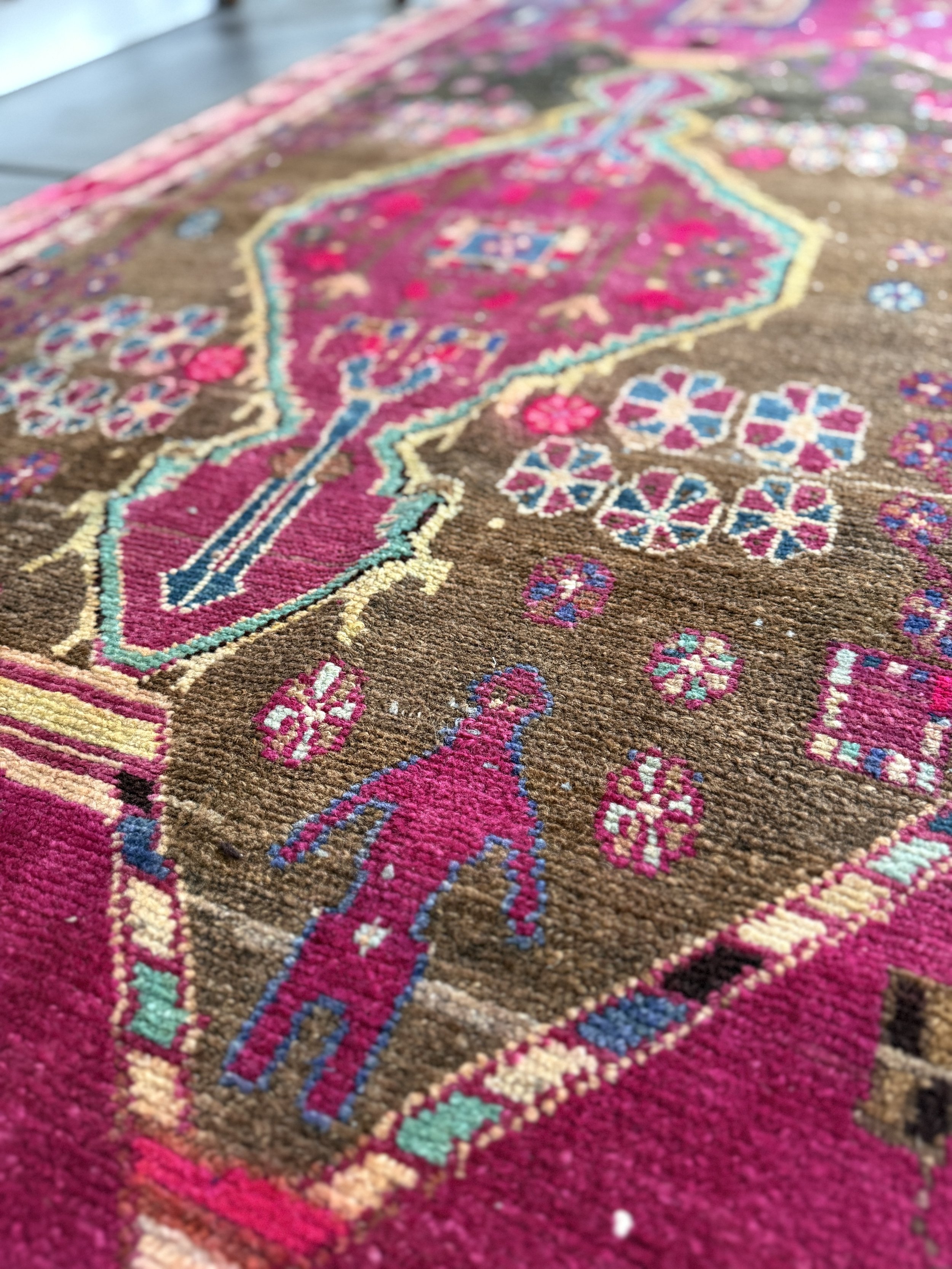
Creating an Anatolian rug is a meticulous process that combines skill, patience, and artistry. Weavers use hand-spun wool, cotton, or silk, dyed with natural pigments derived from plants, roots, and minerals. The weaving is done on a loom using the symmetrical Turkish (Ghiordes) knot, which gives the rugs their durability and distinctive texture. Each piece can take months or even years to complete, depending on its size and complexity.
Timeless Appeal
Today, vintage Anatolian rugs are celebrated worldwide for their vibrant colors, intricate patterns, and enduring craftsmanship. Whether displayed in traditional or contemporary interiors, they bring warmth, history, and authenticity to any space—serving as living testaments to the artistry and cultural legacy of Anatolia.