
Persian Rugs
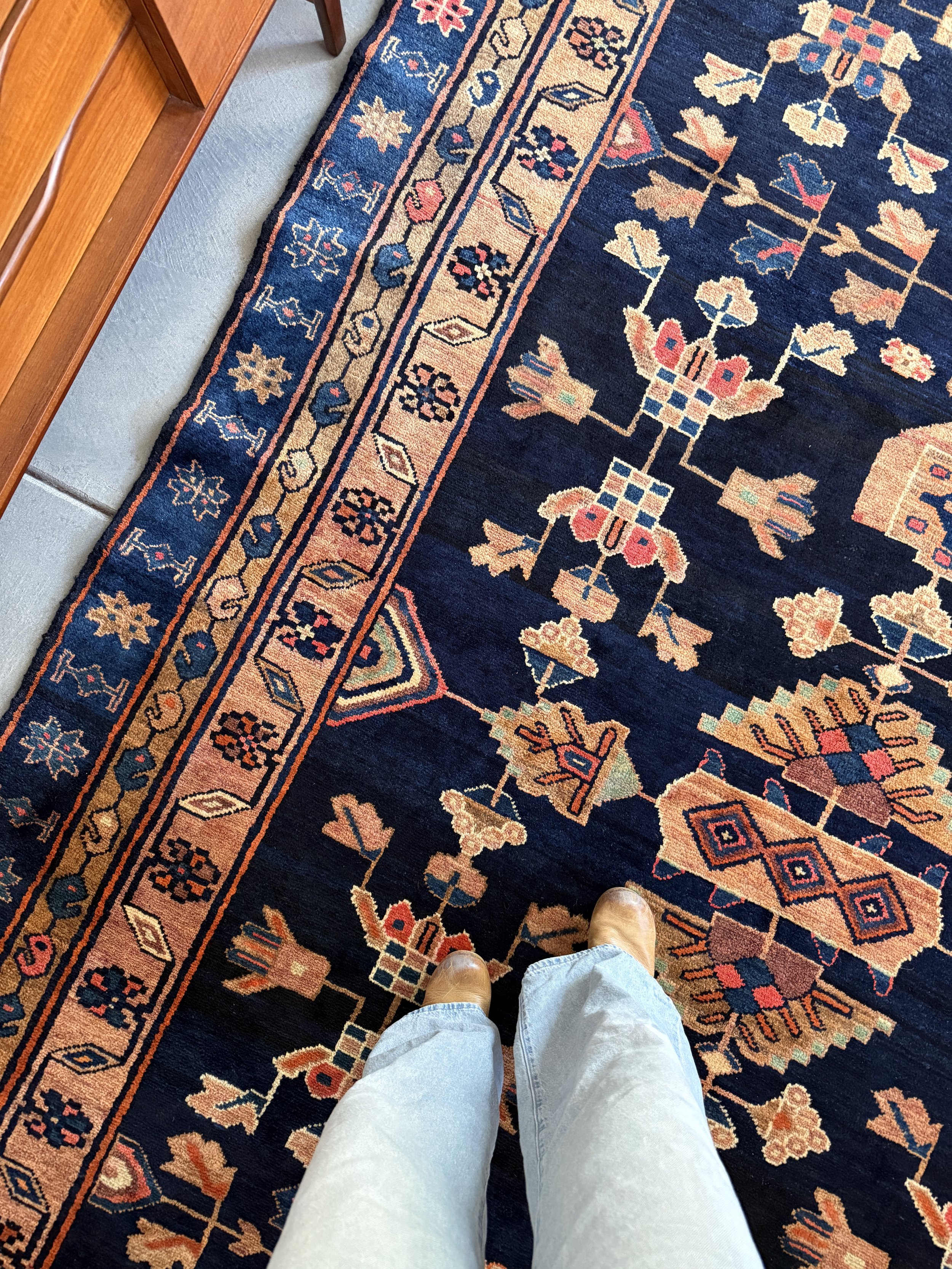
Persian rugs, among the most celebrated textiles in the world, trace their origins back more than 2,500 years to ancient Persia, now modern-day Iran. Early nomadic tribes wove rugs for practical purposes—providing warmth and comfort in harsh climates—but over time, the craft evolved into a refined art form. By the Safavid dynasty (16th–18th centuries), Persian rug weaving had reached its golden age, with royal workshops in cities like Isfahan, Kashan, and Tabriz producing intricate masterpieces for palaces and mosques. These rugs became symbols of wealth, artistry, and cultural identity, admired across Europe and Asia for their beauty and craftsmanship.
Each region of Iran developed its own distinct style, influenced by local traditions, materials, and dyes. Urban centers produced finely knotted rugs with elaborate floral motifs and balanced symmetry, while tribal and village weavers favored bold geometric designs and natural color palettes. The use of natural dyes—derived from plants, minerals, and insects—gave Persian rugs their rich, enduring hues. Beyond their aesthetic appeal, these rugs carry deep cultural significance, often reflecting stories, beliefs, and the weaver’s connection to nature and community. Today, Persian rugs remain treasured heirlooms and works of art, embodying centuries of skill, symbolism, and tradition woven into every thread.
Cultural Significance
Persian rugs are far more than decorative floor coverings—they are woven expressions of Persian culture, identity, and storytelling. Each rug often carries symbolic motifs that reflect the weaver’s environment, beliefs, and aspirations. Floral patterns may represent paradise, while geometric designs can symbolize unity and balance. In tribal communities, rugs served as dowries, family heirlooms, and markers of social status. They were also deeply tied to daily life, used as prayer mats, wall hangings, and even tent dividers. Over time, Persian rugs became cultural ambassadors, embodying the refinement and creativity of Iranian civilization. Their presence in homes and museums around the world continues to connect people to centuries of Persian heritage and craftsmanship.
Craftsmanship and Materials
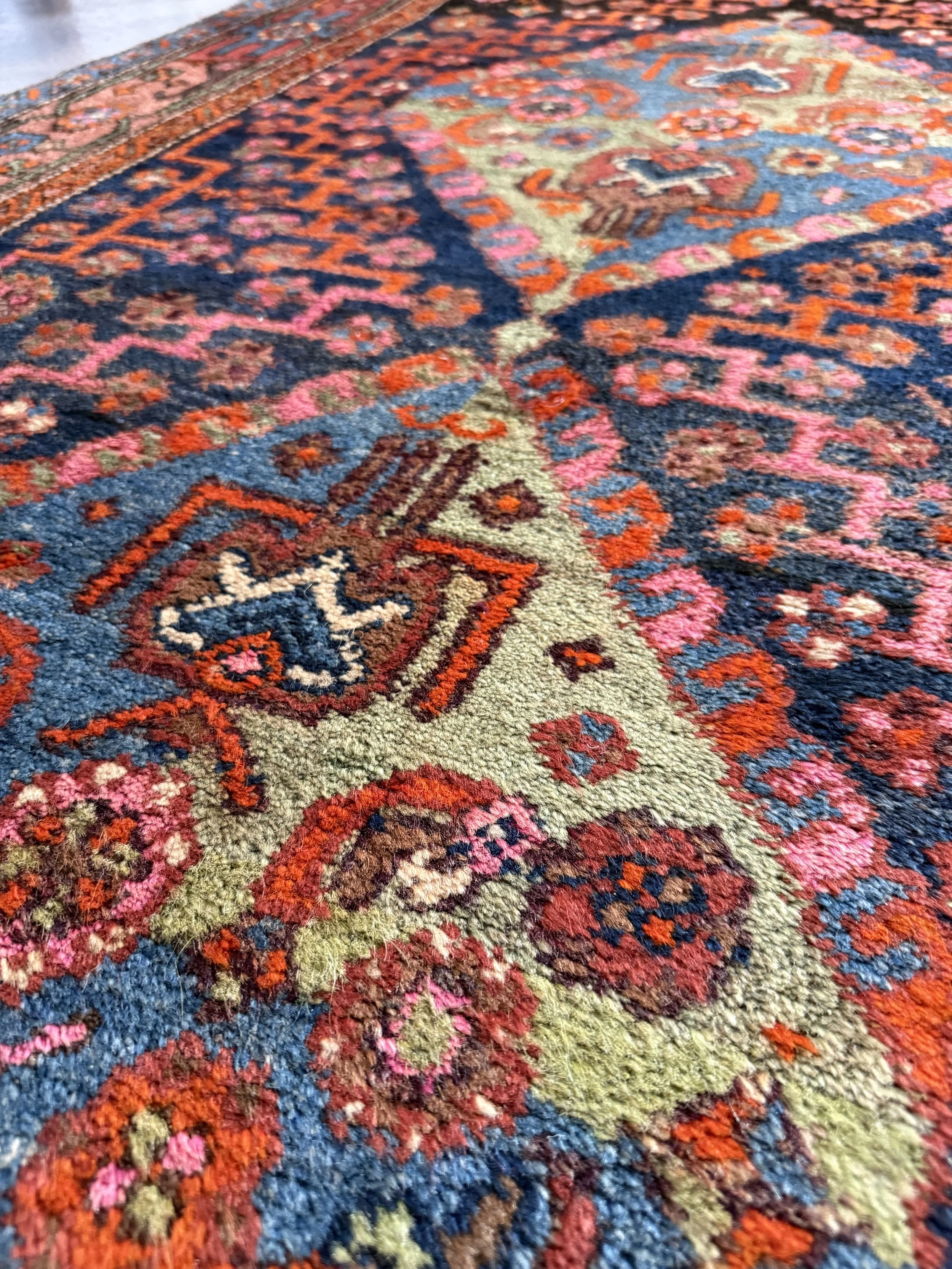
The making of a Persian rug is a meticulous process that can take months or even years, depending on size and complexity. Each rug begins with a hand-drawn design, often passed down through generations. Skilled weavers use a vertical or horizontal loom to tie thousands of individual knots—either Persian (asymmetrical) or Turkish (symmetrical)—onto a foundation of cotton, wool, or silk. The density of these knots determines the rug’s fineness and durability. Natural dyes derived from plants, roots, and minerals give Persian rugs their rich, lasting colors: indigo for blues, madder root for reds, and pomegranate rind for yellows and golds. The combination of high-quality materials and precise technique ensures that each rug is not only beautiful but also resilient enough to last for generations.
Timeless Appeal
Today, Persian rugs remain symbols of elegance, artistry, and cultural continuity. Collectors and designers value them for their timeless beauty, intricate detail, and the human touch evident in every knot. Whether displayed in a modern home or preserved in a museum, each Persian rug tells a story—of the land, the people, and the centuries-old tradition that continues to inspire admiration around the world.